Nestled along the banks of the mighty Nile River, the Nubian Village in Aswan offers visitors an extraordinary opportunity to experience the vibrant culture, traditions, and history of the Nubian people. Located on the western bank of the Nile, just south of Aswan, this village remains a hidden gem, where ancient customs continue to thrive in the face of modernization.
Visitors to this picturesque village are treated to not just stunning views of the river and surrounding desert, but also a deeper connection to a civilization that has endured for thousands of years. From its unique architecture and colorful homes to the warm hospitality of the Nubian people, the village provides a one-of-a-kind experience that captures the essence of Nubian culture.
Nubian Village is an exceptional destination for travelers seeking more than the typical Egyptian experience. The village offers a glimpse into a lifestyle that has remained distinct and separate from mainstream Egyptian culture for centuries. With a rich history dating back to the time of the Pharaohs, the Nubian people have maintained a unique identity shaped by their environment, traditions, and experiences.
Here’s why Nubian Village should be on your travel list:
The Nubian Village is situated just south of Aswan, along the Nile’s western bank. Its location is both accessible and secluded, offering an authentic experience away from the typical tourist crowds.
There are several ways to reach the village, each offering a different way to appreciate the beauty of the landscape:
Nubian civilization is one of the oldest in Africa, with a history that stretches back thousands of years. Known for its wealth in gold and strategic location along key trade routes, Nubia was once a powerful kingdom that influenced the development of Egypt and other ancient civilizations.
In ancient times, Nubia was a region rich in natural resources, especially gold, and its people played an essential role in Egypt’s history. The Kingdom of Nubia was once so powerful that its rulers, known as the “Kushites,” even conquered Egypt at one point, with several Nubian pharaohs ruling over Egypt during the 25th Dynasty. The Nubians were skilled builders, craftsmen, and traders, and their influence is evident in many of Egypt’s monuments, temples, and artifacts.
The construction of the Aswan High Dam in the 1960s forced many Nubians to relocate from their original homeland to the villages surrounding Aswan. Despite the displacement, the Nubian people have worked hard to preserve their cultural identity, keeping their language, customs, and traditions alive in the face of modern challenges. The Nubian Village in Aswan is a testament to their resilience and pride in their heritage.
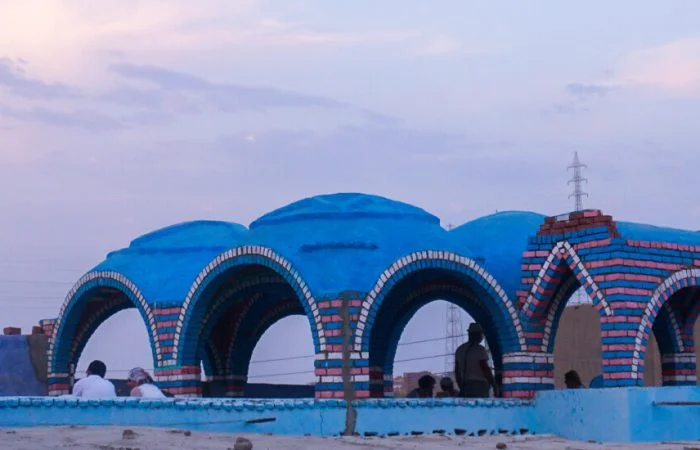
One of the most distinctive features of Nubian culture is the unique architecture of the village homes. The vibrant and colorful houses are an iconic part of the Nubian aesthetic, and their design is deeply intertwined with the community’s way of life.
The Nubian people are known for their rich cultural expressions, including music, dance, art, and crafts. The village provides visitors with a chance to explore these traditions up close.
Traditional Nubian attire is not only visually stunning but also deeply symbolic. The colorful fabrics, jewelry, and accessories worn by the Nubian people often carry cultural and familial significance. Jewelry, in particular, is often passed down through generations and holds personal meaning for the wearer.
The Nubian language is one of the most important elements of the community’s identity. Despite the influence of Arabic and the spread of other languages in Egypt, the Nubian language is still spoken by many residents in the village. Efforts are being made to preserve the language and pass it on to future generations, ensuring that Nubian culture remains alive and well.
Agriculture, craftsmanship, and trade are central to the economy and daily life of the Nubian people. The fertile banks of the Nile provide an ideal setting for farming, and traditional crafts continue to thrive.
Agriculture is vital to the survival of the Nubian community, with crops such as dates, wheat, and vegetables being grown along the Nile’s banks. The village is also known for its fishing, which is a traditional practice that has been passed down through the generations.
Nubian artisans are known for their skillful pottery, jewelry, and textiles. These crafts are not just products for sale but are an expression of Nubian culture and pride. Visitors to the village can purchase handmade goods directly from the artisans, supporting local craftsmanship and preserving the community’s artistic traditions.
Nubian cuisine is a delightful blend of local ingredients and traditional recipes that reflect the agricultural practices of the region. Visitors to the village can enjoy a variety of dishes, many of which are cooked using ancient techniques passed down through generations.
The Nile River has been central to Nubian life for thousands of years, providing water, transportation, and sustenance. The river’s waters nourish the land, support agriculture, and enable trade and transport. The connection between the Nubian people and the Nile is sacred, and sustainable practices are employed to ensure the river continues to provide for future generations.
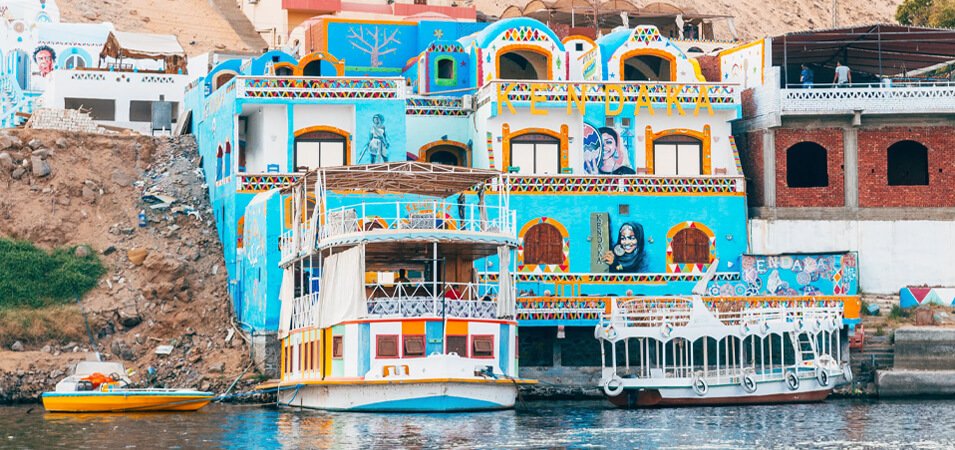
One of the most memorable aspects of visiting the Nubian Village is the hospitality of the people. Visitors are often welcomed into homes, offered tea, and invited to listen to stories about the village’s history and traditions. The community’s warm and generous spirit makes it easy to feel at home, and the close-knit nature of the village ensures that visitors will never feel like outsiders.
The ideal time to visit is from October to April, when the weather is cooler and more comfortable for exploring.
Yes, the village is safe and welcoming. Visitors are encouraged to respect local customs, including dressing modestly and asking for permission before taking photos, especially of women.
Yes, there are several guesthouses and homestays where visitors can experience the full range of Nubian hospitality.
A half-day tour is enough to see the main sights, but a full day or overnight stay will allow for deeper immersion in the local culture.